

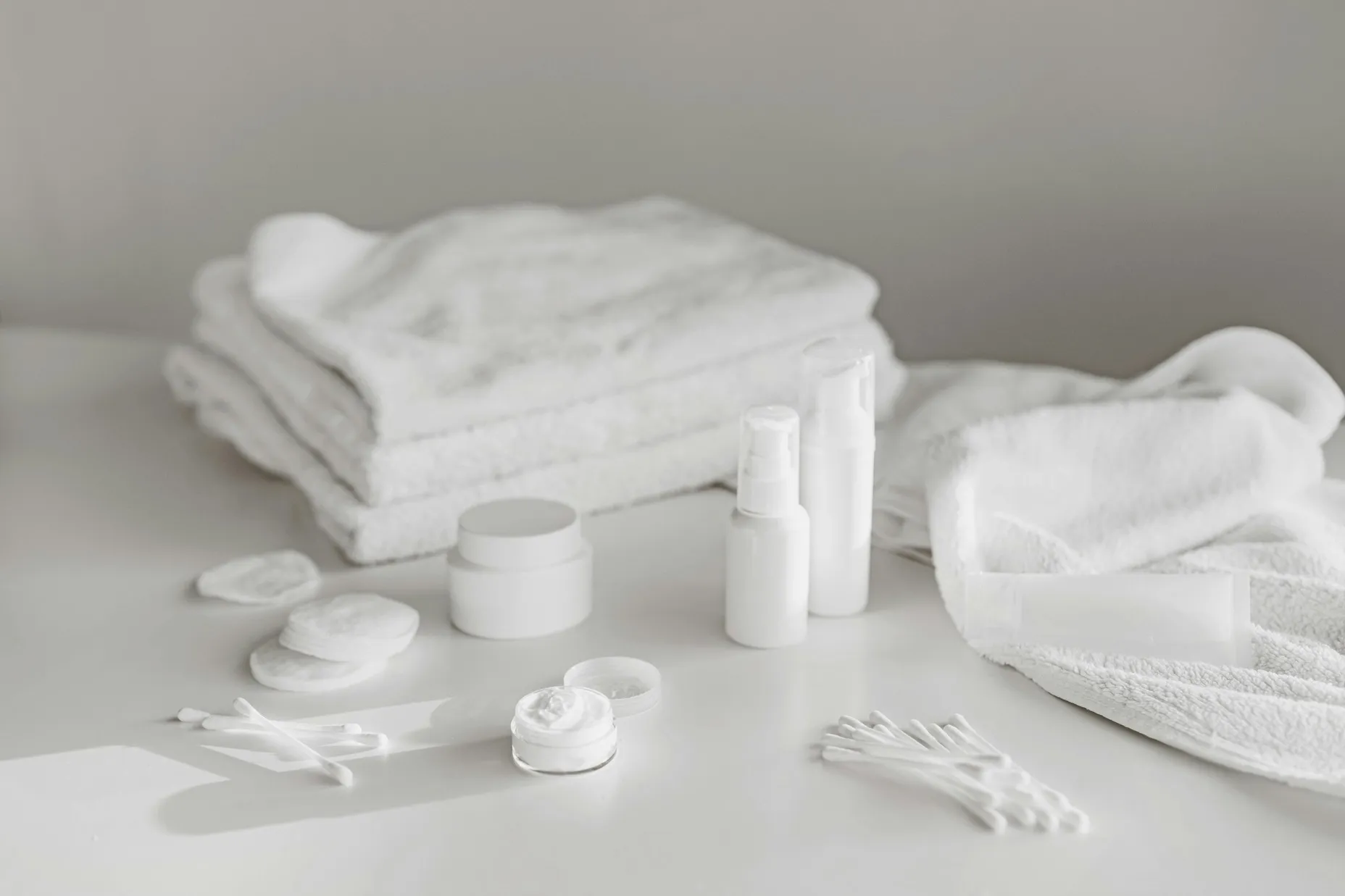
Most people don’t start a skincare routine by choice. They start because something went wrong – a breakout that won’t quit, dry patches that appeared out of nowhere, or a photo that made them look more tired than they feel. Then they open the internet and immediately regret it.
Because the internet will insist you need a 10-step routine, three serums, and something called slugging. For someone just trying to figure out where to begin, it’s overwhelming by design.
Here’s the honest version: good skin doesn’t need a complicated routine. It needs the right one, done consistently. This guide will help you build that – simply, clearly, and without spending a fortune.
Key Takeaways
- Every effective skincare routine starts with three steps: cleanser, moisturiser, and SPF
- Product order matters – always go lightest to heaviest for proper absorption
- UV damage causes up to 90% of visible skin ageing; daily sunscreen is non-negotiable
- Add one new product at a time and give it at least four weeks before judging results
Why Simple Always Wins
Before any product talk, the most important thing to know is this: a simple, consistent routine is usually enough to maintain a strong skin barrier, balance oil and hydration, and reduce breakouts, irritation, and signs of ageing for most people. Many times, less is more.
The skincare industry is built on convincing you your routine is never quite complete. But dermatologists report that over-cleansing, using too many active ingredients simultaneously, and inconsistent routine adherence account for approximately 80% of skincare routine failures among people. The problem usually isn’t what people are missing – it’s what they’re overdoing.
Start with three products. Build from there only when your skin is stable.
Know Your Skin Type First
You can’t choose the right products without knowing what you’re working with. Wash your face, apply nothing, and wait 30 minutes. Tight and dull? Likely dry. Shiny all over? Oily. Shiny in some areas, tight in others? Combination. Reacts to almost everything? Sensitive.
Knowing your skin type helps you identify its natural tendencies and what you want your routine to achieve – which shapes which products will actually help. Skip this step and you’re essentially guessing.
The Three Non-Negotiables
Cleanser. A gentle cleanse removes sweat, oil, dead skin cells, makeup, and environmental pollutants that clog pores and dull skin. Use it in the morning and evening with lukewarm water. Gel or foam works good for oily and acne-prone skin, cream or lotion cleansers are better for dry or sensitive skin. Don’t use hot water and don’t scrub – because both damage the skin barrier faster than almost any other habit.
Moisturiser. Every skin type needs it, including oily skin. Skipping it because your face feels greasy often makes oiliness worse, as skin overproduces oil to compensate for dryness. Moisturisers lock in hydration and help prevent transepidermal water loss – water literally evaporating from the surface of your skin. They also guard against eczema and contact dermatitis. Apply it after cleansing while your skin is still slightly damp, morning and night.
Sunscreen. The one product with the most evidence behind it and the most resistance to being used. UV radiation causes up to 90% of visible skin ageing – wrinkles, dark spots, and loss of elasticity. No serum can reverse consistent sun damage. The American Academy of Dermatology recommends a broad-spectrum SPF 30 or higher, worn daily – not just on sunny days, not just in summer. Every single day, as the last step of your morning routine.
The Order Actually Matters
Layering products correctly determines how much of each one your skin actually absorbs. According to board-certified dermatologist Dr. Heather Rogers, “the skin’s job is to keep things out – only a very small amount of key ingredients can penetrate the skin, even when perfectly formulated and perfectly applied.” Get the order wrong and you’re wasting product.
The rule is simple: lightest to heaviest. Water-based products go on first, heavier creams follow, and sunscreen seals everything in during the morning.
Your morning routine: Cleanser → Moisturiser → Sunscreen. Your evening routine: Cleanser → Moisturiser. That’s your foundation. Everything else comes later.
What to Add Once You’re Ready
Once your three-step routine feels solid – around the four to six week mark – you can consider adding one targeted product. One. Not three at once. Introducing products one at a time lets you identify what’s working and isolate the cause of any adverse reactions.
Two worth knowing about: a Vitamin C serum in the morning brightens skin and adds antioxidant protection that works alongside your sunscreen. A retinol at night is the most evidence-backed anti-ageing ingredient available without a prescription – retinoids encourage collagen growth, increase cell turnover to brighten skin, and unclog pores to treat acne. Start with a low concentration two nights a week and build slowly. Almost everyone experiences some initial irritation; that’s normal.
Patience Is the Actual Secret
The most common reason routines fail isn’t the products. It’s expecting results too fast. Skin cell turnover takes approximately 28 days in healthy adults, which means most skincare improvements require at least one full cycle to become visible. Hydration can improve in one to two weeks; real texture and tone changes take four to six.
If something seems to be doing nothing after two weeks, give it another two. If it’s causing persistent redness or breakouts, stop. Your skin is always communicating – learning to listen to it, rather than reacting immediately, is what separates a routine that lasts from one that gets abandoned by February.
A simple routine you actually stick to will always beat an exotic one.